Can Diet Alone Control Type 2 Diabetes?
Can Diet Alone Control Type 2 Diabetes?
The short answer is sometimes—but not always. For some people, especially those diagnosed early, healthy eating, weight loss, and regular exercise can bring blood sugar back to a healthy range. Some may even achieve diabetes remission. However, many people will still require medication to safely control blood sugar and reduce the risk of complications.
Can Diet Really Make a Difference?
Yes. Nutrition is one of the most powerful tools for managing type 2 diabetes. Healthy food choices help lower blood sugar, improve insulin sensitivity, support weight loss, and reduce the risk of heart disease.
Research shows that some people with newly diagnosed diabetes who achieve significant and sustained weight loss can reduce their HbA1c to the normal range and maintain good glucose control with lifestyle changes alone.
When Diet Alone May Be Enough
Diet and lifestyle changes are more likely to control diabetes if:
- Diabetes has been diagnosed recently.
- Blood sugar is only mildly elevated.
- Weight loss is achievable and maintained.
- The pancreas still produces enough insulin.
- Regular exercise is part of the daily routine.
- The person follows healthy eating consistently.
In these situations, some individuals may achieve excellent glucose control without medication under medical supervision.
When Medication Is Usually Needed
Lifestyle changes remain essential, but medication is often necessary when:
- Blood sugar is very high at diagnosis.
- Diabetes has been present for several years.
- The pancreas produces less insulin.
- There is significant insulin resistance.
- Symptoms such as excessive thirst, frequent urination, or weight loss are present.
- There are complications like fatty liver, kidney disease, or heart disease.
Taking medication does not mean you have failed. It simply means your body needs additional support to keep blood sugar under control.
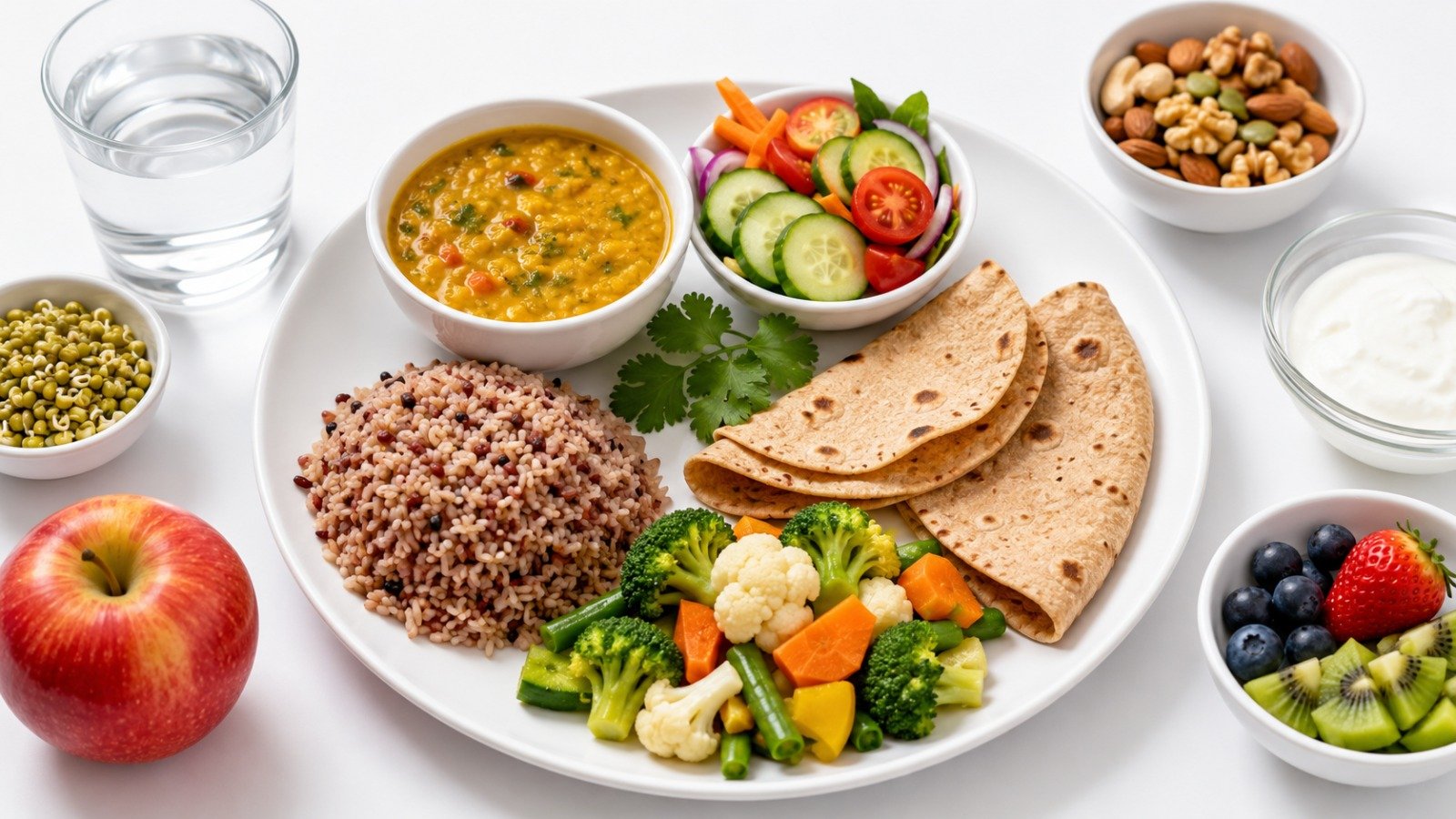
What Does a Diabetes-Friendly Diet Look Like?
A healthy diabetes meal plan focuses on foods that keep blood sugar steady while providing balanced nutrition.
- Eat more vegetables and salads.
- Include pulses, beans, lentils, and whole grains.
- Choose lean protein such as fish, eggs, chicken, tofu, or paneer.
- Eat healthy fats in moderation.
- Reduce sugary drinks, sweets, and refined carbohydrates.
- Practice portion control instead of extreme dieting.
- Choose a meal plan you can follow long term.
Why Exercise Is Equally Important
Diet works even better when combined with regular physical activity. Exercise helps muscles use glucose more efficiently, improves insulin sensitivity, supports weight loss, and lowers HbA1c.
Aim for:
- At least 150 minutes of moderate exercise each week.
- Strength training 2–3 times weekly.
- More daily movement such as walking after meals and reducing sitting time.
Can Type 2 Diabetes Go Into Remission?
For some people, yes. Significant and sustained weight loss—particularly soon after diagnosis—can allow blood sugar levels to return to the normal range without diabetes medication. This is known as diabetes remission.
However, remission does not mean the disease has been permanently cured. Healthy eating, regular exercise, and routine medical follow-up remain essential because diabetes can return if weight is regained or lifestyle changes are not maintained.
Key Takeaways
- Diet is the foundation of type 2 diabetes management.
- Some people can control diabetes with lifestyle changes alone.
- Many people still need medication for safe blood sugar control.
- Healthy eating combined with exercise works better than diet alone.
- The best treatment plan is individualized and should be guided by your healthcare provider.
Bottom Line
Diet plays a vital role in controlling type 2 diabetes and, for some people diagnosed early, it may be enough to achieve excellent blood sugar control or even remission. However, diabetes affects everyone differently. Many people require medication alongside healthy eating and exercise to prevent long-term complications. Rather than asking whether diet or medication is better, the goal should be finding the combination that keeps your blood sugar safely controlled while supporting your long-term health.
Need Expert Endocrine Care?
Book a consultation with our specialist endocrinologists at Shashi Advanced Health Clinics, Bangalore.
Book Appointment on WhatsApp