
Continuous Glucose Monitoring (CGM): Smarter Diabetes Management
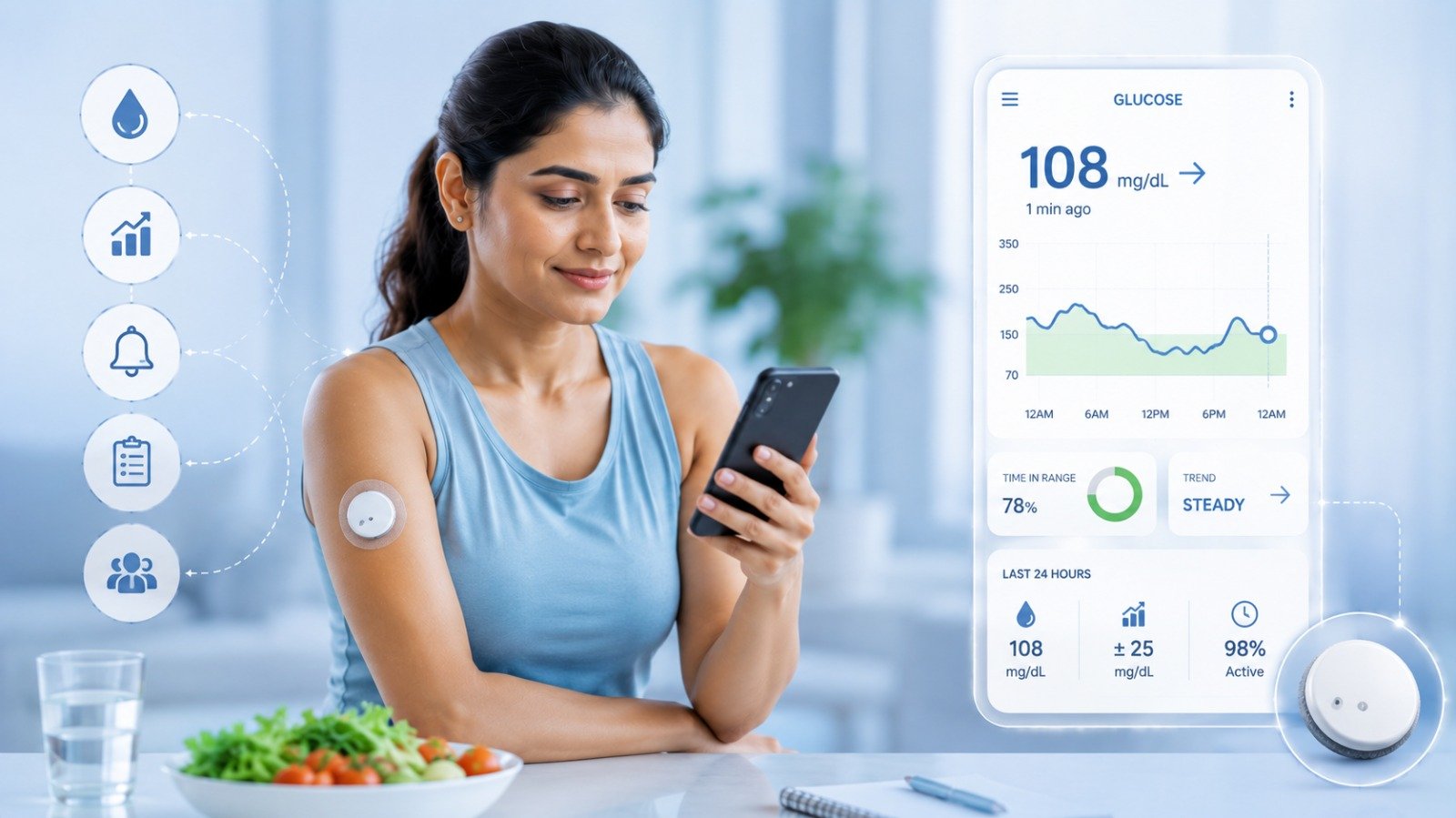
Continuous Glucose Monitoring: Smarter Diabetes Management
Managing diabetes has changed dramatically over the past decade. Traditional finger-prick glucose testing remains valuable, but it only provides a snapshot of blood sugar at a single moment in time.
Continuous Glucose Monitoring (CGM) offers a more complete picture by tracking glucose levels throughout the day and night. Instead of relying on a few readings, people with diabetes can see real-time trends, understand how their body responds to food and activity, and make more informed decisions about treatment.
For many individuals, CGM represents one of the most significant advances in modern diabetes care.
What Is Continuous Glucose Monitoring?
A Continuous Glucose Monitoring system uses a small sensor placed under the skin to measure glucose levels in the interstitial fluid surrounding the body's cells.
The sensor continuously collects glucose data and sends readings to a receiver, smartphone, or insulin pump.
Unlike traditional finger-stick testing, CGM provides hundreds of glucose readings each day, allowing users to identify patterns and trends that would otherwise be missed.
Types of CGM Systems
- Real-Time CGM (rtCGM): Automatically sends glucose readings and alerts continuously.
- Intermittently Scanned CGM (isCGM): Requires the user to scan the sensor to view glucose data.
Both systems provide valuable insights, but real-time systems offer additional alerts for high and low glucose levels.
Why CGM Is Changing Diabetes Care
One of the biggest advantages of CGM is that it reveals glucose patterns rather than isolated readings.
Users can see exactly how their blood sugar responds to:
- Meals and snacks
- Exercise and physical activity
- Stress and illness
- Sleep patterns
- Medications and insulin
This real-time feedback helps people understand what works for their body and make adjustments sooner rather than later.
Research consistently shows that CGM can improve blood sugar control, reduce episodes of hypoglycemia, and support better long-term diabetes management.
Who Benefits Most From CGM?
CGM can be beneficial for many people living with diabetes, but certain groups may experience the greatest benefit:
- People with Type 1 Diabetes
- People with Type 2 Diabetes using insulin
- Individuals experiencing frequent hypoglycemia
- People who do not feel warning signs of low blood sugar
- Pregnant women with diabetes
- People struggling to achieve glucose targets
Even individuals using only basal insulin have shown improvements in glucose management when CGM is incorporated into their care plan.
Understanding Time in Range (TIR)
One of the most valuable CGM metrics is Time in Range (TIR).
Time in Range measures the percentage of time a person's glucose levels remain within their target glucose range.
Rather than focusing only on HbA1c, TIR provides a practical view of day-to-day glucose control.
More time spent within target range is associated with:
- Better overall diabetes control
- Reduced risk of complications
- Fewer episodes of high blood sugar
- Lower risk of severe hypoglycemia
This is why CGM has become an important tool in modern diabetes management.
How CGM Helps With Everyday Decisions
Many people are surprised by what CGM reveals about their daily habits.
For example, CGM may show:
- Unexpected glucose spikes after certain foods
- Overnight blood sugar fluctuations
- Effects of stress on glucose levels
- Delayed glucose rises after high-fat meals
- Improved glucose control after exercise
This information allows individuals and healthcare professionals to make more precise treatment decisions.
Challenges and Limitations
Although CGM offers significant benefits, it is not without challenges.
- Sensor costs may be a barrier for some users.
- Skin irritation can occur at the sensor site.
- Sensor adhesion issues may affect wear time.
- Frequent alerts can sometimes lead to alert fatigue.
- Proper education is essential to interpret data correctly.
The best results occur when CGM is combined with structured diabetes education and regular follow-up with a healthcare professional.
Frequently Asked Questions
Does CGM replace finger-prick testing completely?
Not always. Some situations may still require confirmatory finger-stick testing, depending on the device and clinical circumstances.
Is CGM painful?
Most people experience only mild discomfort when applying a sensor.
Can CGM help people without diabetes?
While primarily designed for diabetes management, some individuals use CGM to understand glucose responses to food and exercise, although medical necessity varies.
How often is the sensor replaced?
Replacement schedules vary by manufacturer, typically ranging from 10 to 14 days.
The Bottom Line
Continuous Glucose Monitoring is transforming diabetes care by providing real-time insights into glucose patterns rather than isolated blood sugar readings.
By helping people identify trends, prevent dangerous highs and lows, improve Time in Range, and make informed treatment decisions, CGM offers a smarter and more proactive approach to diabetes management.
For many individuals living with diabetes, CGM means better glucose control, fewer surprises, greater confidence, and improved quality of life.
Need Expert Endocrine Care?
Book a consultation with our specialist endocrinologists at Shashi Advanced Health Clinics, Bangalore.
Book Appointment on WhatsApp