
HbA1c Explained: What Your Number Really Means
HbA1c Explained: What Your Number Really Means
HbA1c, also known as A1c or Glycated Hemoglobin, is one of the most important blood tests for diagnosing and monitoring diabetes. Unlike a finger-prick blood sugar test that measures glucose at a single moment, HbA1c reflects your average blood sugar over the past 2 to 3 months.
Understanding your HbA1c helps you know how well your diabetes is controlled and whether your current lifestyle and treatment plan are working effectively. It also helps predict your risk of developing diabetes-related complications.
What Does HbA1c Measure?
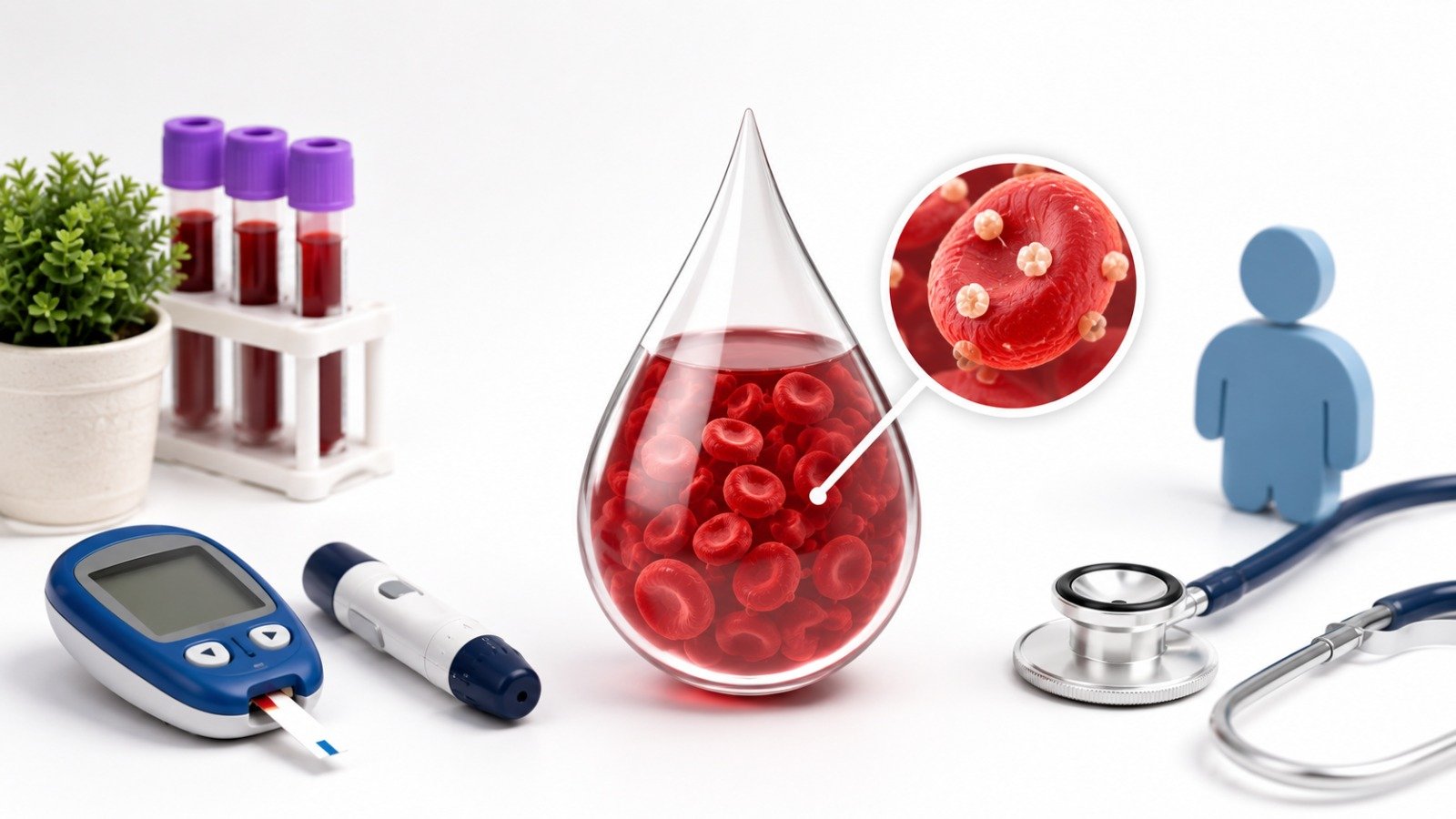
Red blood cells contain a protein called hemoglobin, which carries oxygen throughout the body. As glucose circulates in the bloodstream, some of it naturally attaches to hemoglobin, forming glycated hemoglobin (HbA1c).
The higher your blood sugar levels remain over time, the more glucose attaches to hemoglobin. Since red blood cells typically live for about 120 days, the HbA1c test provides an average of your blood sugar levels over the previous two to three months.
This makes HbA1c an excellent indicator of long-term glucose control rather than daily fluctuations.
Understanding Your HbA1c Result
Most international diabetes guidelines interpret HbA1c results as follows:
| HbA1c | Interpretation |
|---|---|
| Below 5.7% | Normal |
| 5.7% – 6.4% | Prediabetes |
| 6.5% or higher | Diabetes (usually confirmed with repeat testing) |
Some laboratories also report HbA1c in mmol/mol:
- Below 42 mmol/mol – Normal
- 42–47 mmol/mol – Prediabetes
- 48 mmol/mol or higher – Diabetes
What Does Your HbA1c Mean in Daily Blood Sugar?
HbA1c can be converted into an Estimated Average Glucose (eAG), helping you understand what your percentage means in everyday blood sugar values.
| HbA1c (%) | Estimated Average Glucose (mg/dL) |
|---|---|
| 6% | 126 mg/dL |
| 7% | 154 mg/dL |
| 8% | 183 mg/dL |
| 9% | 212 mg/dL |
| 10% | 240 mg/dL |
| 11% | 269 mg/dL |
| 12% | 298 mg/dL |
For example, an HbA1c of 8% means your average blood glucose during the previous three months has been approximately 183 mg/dL, even though your daily readings may fluctuate above or below that value.
What Is the Ideal HbA1c Target?
HbA1c goals should always be individualized, but general recommendations include:
- Most adults with diabetes: 7% or lower
- Younger adults without significant complications: Around 6–6.5% if safely achievable
- Older adults or people with multiple medical conditions: 7.5–8% may be appropriate to reduce the risk of low blood sugar
Your healthcare provider will recommend the target that best matches your age, overall health, and treatment plan.
Why Is HbA1c So Important?
HbA1c provides valuable information because it:
- Helps diagnose prediabetes and diabetes.
- Shows your average blood sugar over three months.
- Guides decisions about medications and lifestyle changes.
- Helps assess whether your diabetes treatment is effective.
- Predicts the risk of complications affecting the eyes, kidneys, nerves, heart, and blood vessels.
Keeping HbA1c within your target range significantly reduces the likelihood of long-term diabetes complications.
How Often Should HbA1c Be Checked?
- Prediabetes: Every 1–2 years, or as recommended by your healthcare provider.
- Well-controlled diabetes: At least twice each year.
- Recently diagnosed diabetes or changing treatment: Every 3 months until blood sugar is stable.
Regular testing helps identify changes early and allows treatment adjustments before complications develop.
Limitations of HbA1c
Although HbA1c is an excellent long-term marker, it does have some limitations.
It does not show:
- Daily blood sugar fluctuations
- Episodes of hypoglycaemia (low blood sugar)
- Post-meal glucose spikes
HbA1c results may also be inaccurate in people with:
- Severe anemia
- Kidney failure
- Liver disease
- Sickle cell disease
- Thalassemia
- Recent blood transfusion
- Recent major blood loss
- Pregnancy
In these situations, doctors may rely more on finger-prick blood glucose monitoring, Continuous Glucose Monitoring (CGM), or other specialized tests.
Tips for Improving Your HbA1c
- Follow a balanced, diabetes-friendly diet.
- Exercise regularly for at least 150 minutes per week.
- Take diabetes medications exactly as prescribed.
- Monitor your blood glucose regularly.
- Maintain a healthy body weight.
- Get adequate sleep and manage stress.
- Attend regular follow-up appointments.
Small, consistent improvements in daily habits often lead to meaningful reductions in HbA1c over time.
The Bottom Line
HbA1c is much more than a laboratory number—it reflects your average blood sugar control over the previous three months and provides valuable insight into your future health.
A result below 5.7% is considered normal, 5.7–6.4% indicates prediabetes, and 6.5% or higher suggests diabetes. For most people living with diabetes, maintaining an HbA1c of around 7% or lower, when safely achievable, greatly reduces the risk of complications.
Rather than viewing HbA1c as a score, think of it as a guide that helps you understand how your lifestyle, medications, and daily choices are shaping your long-term health.
Need Expert Endocrine Care?
Book a consultation with our specialist endocrinologists at Shashi Advanced Health Clinics, Bangalore.
Book Appointment on WhatsApp