
Magnesium: The Silent Mineral Your Body Can't Survive Without
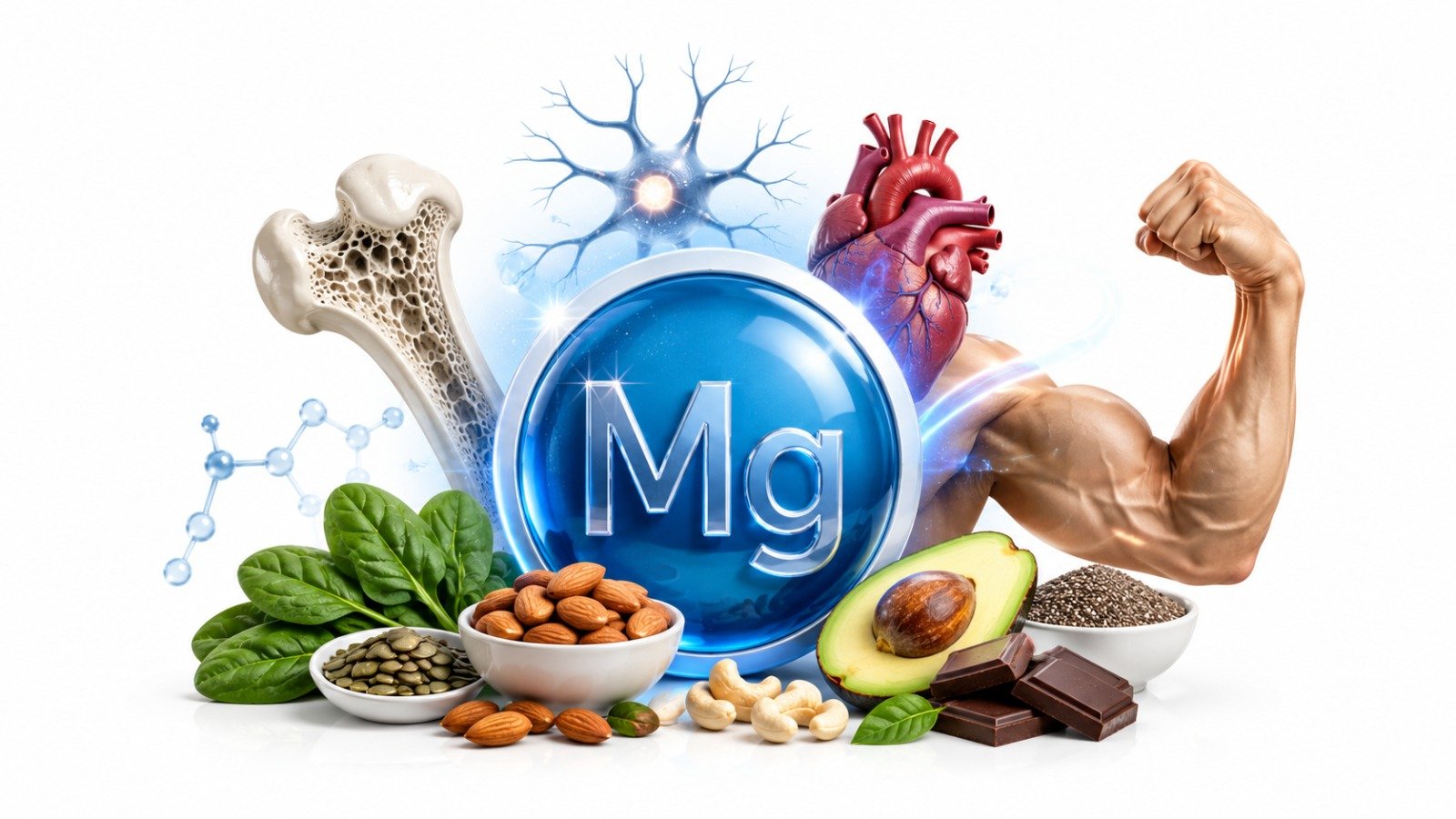
Magnesium: The Silent Mineral Your Body Can't Survive Without
Magnesium is one of the most important minerals in the human body, yet it is often overlooked. Every cell in your body depends on magnesium to function properly. It plays a vital role in energy production, muscle function, nerve signaling, heart health, bone strength, blood sugar regulation, and hundreds of other biochemical reactions.
As an Endocrinologist, Dr. Mahesh DM often explains that magnesium deficiency can contribute to fatigue, muscle cramps, poor blood sugar control, sleep disturbances, and even heart rhythm problems. Fortunately, maintaining healthy magnesium levels is often achievable through a balanced diet and, when necessary, appropriate supplementation.
Why Is Magnesium So Important?
Magnesium is involved in more than 300 enzymatic reactions throughout the body. Every major organ—including the heart, brain, muscles, kidneys, and bones—requires adequate magnesium to function normally.
It helps regulate:
- Energy production
- Protein synthesis
- Muscle contraction and relaxation
- Nerve transmission
- Heart rhythm
- Blood sugar regulation
- Blood pressure control
- Bone formation
Without enough magnesium, many body systems begin to function less efficiently.
Health Benefits of Magnesium
Supports Energy Production
Magnesium helps convert the food you eat into usable energy. Low magnesium levels may contribute to fatigue, reduced stamina, and weakness.
Improves Muscle and Nerve Function
Muscles require magnesium to relax properly after contraction. Adequate magnesium may reduce muscle cramps, spasms, and twitching while supporting healthy nerve function.
Strengthens Bones
Nearly 60% of the body's magnesium is stored in bones. Adequate intake supports bone mineral density and works together with calcium and Vitamin D to maintain healthy bones.
Supports Heart Health
Magnesium helps maintain a normal heartbeat, supports healthy blood vessel function, and may contribute to healthy blood pressure levels.
Helps Regulate Blood Sugar
Research suggests magnesium improves insulin sensitivity and plays an important role in glucose metabolism. Low magnesium levels are commonly seen in people with Type 2 Diabetes.
Supports Better Sleep and Mood
Magnesium has calming effects on the nervous system and may help improve sleep quality, reduce stress, and decrease the frequency of certain types of headaches and migraines.
Common Signs of Magnesium Deficiency
Magnesium deficiency often develops gradually, and symptoms may initially be mild or overlooked.
Common symptoms include:
- Persistent fatigue
- Muscle cramps or spasms
- Muscle weakness
- Numbness or tingling
- Poor sleep
- Headaches or migraines
- Irritability or anxiety
- Abnormal heart rhythm
- Loss of appetite
- Difficulty concentrating
Severe magnesium deficiency may lead to seizures, dangerous heart rhythm disturbances, or other serious complications requiring urgent medical attention.
Who Is at Higher Risk?
Certain groups are more likely to develop magnesium deficiency:
- People with Type 2 Diabetes
- Older adults
- Individuals with Crohn's disease or other gastrointestinal disorders
- People with chronic diarrhea
- Individuals with kidney disorders
- People who consume excessive alcohol
- Those taking certain medications such as diuretics or proton pump inhibitors for prolonged periods
If you belong to one of these groups, discussing magnesium status with your doctor may be beneficial.
How Much Magnesium Do Adults Need?
Daily magnesium requirements vary with age and sex, but most healthy adults require approximately 300–400 mg of elemental magnesium per day.
The best way to meet these requirements is through a balanced diet rich in natural magnesium-containing foods.
Magnesium-Rich Foods
Excellent dietary sources include:
- Spinach, kale and other green leafy vegetables
- Beans, lentils and chickpeas
- Almonds, cashews and walnuts
- Pumpkin seeds, sunflower seeds and sesame seeds
- Whole grains such as oats and brown rice
- Bananas and avocados
- Tofu
- Milk and dairy products
- Fatty fish
- Dark chocolate (in moderation)
Eating a varied, whole-food diet is usually the best strategy for maintaining healthy magnesium levels.
Should You Take Magnesium Supplements?
Most people should aim to obtain magnesium from food first. Supplements may be recommended if a deficiency is confirmed or if dietary intake is insufficient.
Well-absorbed forms include:
- Magnesium Citrate
- Magnesium Glycinate
- Magnesium Malate
- Magnesium Aspartate
High doses can cause diarrhea, nausea, abdominal discomfort, and in people with kidney disease, dangerously high magnesium levels. Supplements should therefore be taken only under medical supervision.
When Should You Speak to an Endocrinologist?
Consider medical evaluation if you experience:
- Persistent muscle cramps
- Chronic fatigue
- Poorly controlled diabetes
- Recurrent migraines
- Irregular heartbeat
- Bone weakness or osteoporosis
- Unexplained numbness or tingling
- Long-term use of medications that may lower magnesium
A healthcare professional can determine whether magnesium deficiency is contributing to your symptoms and recommend appropriate treatment.
The Bottom Line
Magnesium is one of the body's most important minerals, supporting healthy muscles, nerves, bones, heart function, blood sugar control, and energy production. Despite its importance, magnesium deficiency is common and often goes unrecognized.
According to Dr. Mahesh DM, Endocrinologist, maintaining adequate magnesium through a balanced diet—and supplements when medically indicated—is a simple yet effective way to support long-term metabolic and hormonal health.
Small nutritional improvements today can make a significant difference to your overall health tomorrow.
Need Expert Endocrine Care?
Book a consultation with our specialist endocrinologists at Shashi Advanced Health Clinics, Bangalore.
Book Appointment on WhatsApp