Osteopenia: The Warning Stage Before Osteoporosis
Osteopenia: The Warning Stage Before Osteoporosis
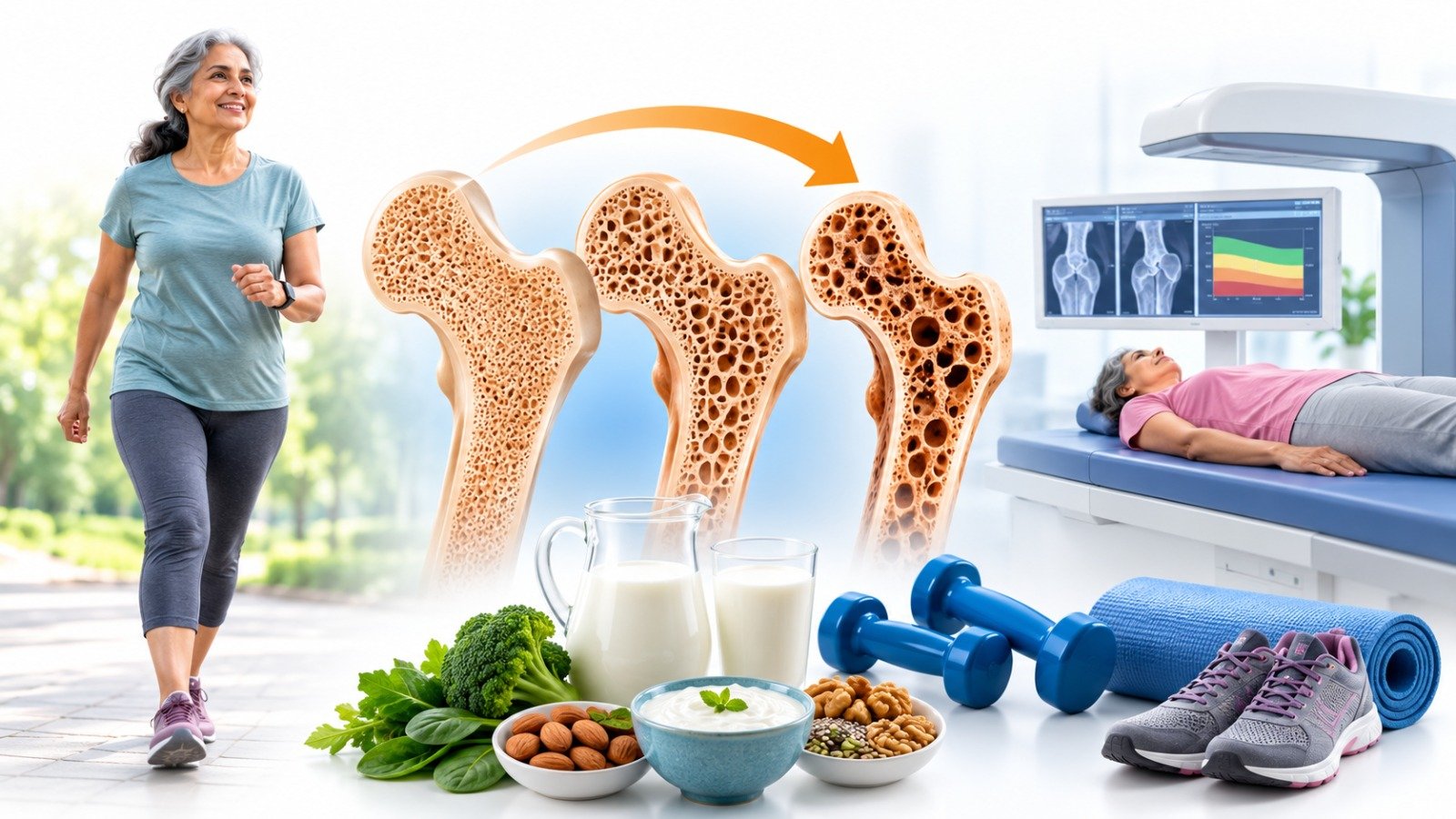
Osteopenia is an early stage of bone loss where bone density is lower than normal but not low enough to be classified as osteoporosis. Although it usually causes no symptoms, it is an important warning sign that your bones are becoming weaker and your risk of fractures is increasing. Detecting osteopenia early gives you the opportunity to strengthen your bones and reduce the risk of developing osteoporosis.
What is Osteopenia?
Bone strength is measured using a DEXA (DXA) bone density scan, which compares your bone density with that of a healthy young adult. The result is reported as a T-score.
| T-Score | Bone Health |
|---|---|
| Above -1.0 | Normal Bone Density |
| -1.0 to -2.5 | Osteopenia |
| -2.5 or lower | Osteoporosis |
A diagnosis of osteopenia means your bones are beginning to lose strength, but there is still time to slow or even prevent further bone loss.
Why Osteopenia Matters
Osteopenia is often called the "silent stage" because it usually causes no pain or noticeable symptoms. Many people discover they have osteopenia only after undergoing a routine bone density scan or experiencing a fracture from a minor fall.
Without proper treatment and lifestyle changes, osteopenia may gradually progress to osteoporosis, increasing the likelihood of fractures involving the hip, spine, and wrist.
Who Is at Higher Risk?
The risk of osteopenia increases if you have one or more of the following:
- Age 50 years or older
- Menopause or reduced estrogen levels
- Low calcium or vitamin D intake
- Limited physical activity
- Lack of weight-bearing exercise
- Smoking
- Excess alcohol consumption
- Long-term steroid treatment
- Family history of osteoporosis or fractures
How Can You Strengthen Your Bones?
The good news is that osteopenia is a stage where lifestyle changes can have a significant impact. Your healthcare provider may recommend:
- ✔ Eat enough calcium-rich foods every day.
- ✔ Maintain adequate vitamin D levels.
- ✔ Perform regular weight-bearing exercises such as walking, climbing stairs, dancing, or jogging.
- ✔ Include strength training two to three times each week.
- ✔ Stop smoking.
- ✔ Limit alcohol intake.
- ✔ Improve balance to reduce falls.
- ✔ Repeat bone density testing as advised.
People with a higher fracture risk may also benefit from medications that help protect bone strength, even before osteoporosis develops.
When Should You Be Concerned?
Osteopenia deserves careful attention if you:
- Have gone through menopause.
- Are over 50 years of age.
- Have already experienced a fracture after a minor fall.
- Have multiple risk factors for bone loss.
- Take long-term steroid medications.
A fracture caused by a simple fall may indicate weakened bones, even if your bone density has not yet reached the osteoporosis range.
Key Takeaways
- Osteopenia is an early warning sign of bone loss.
- It usually causes no symptoms until a fracture occurs.
- A DEXA scan is the best way to detect it early.
- Calcium, vitamin D, exercise, and healthy lifestyle habits can slow bone loss.
- Regular follow-up helps prevent progression to osteoporosis.
Bottom Line
Osteopenia is not osteoporosis, but it is a clear warning that your bones are becoming weaker. Early diagnosis through a bone density scan, combined with adequate calcium, vitamin D, regular exercise, and healthy lifestyle habits, can slow bone loss and significantly reduce the risk of fractures. Taking action during the osteopenia stage gives you the best opportunity to maintain strong bones and prevent osteoporosis in the future.
Need Expert Endocrine Care?
Book a consultation with our specialist endocrinologists at Shashi Advanced Health Clinics, Bangalore.
Book Appointment on WhatsApp