The Insulin Dose That’s Killing Your Kidneys Slowly
When More Basal Insulin Can Become a Problem: Understanding Over-Basalization
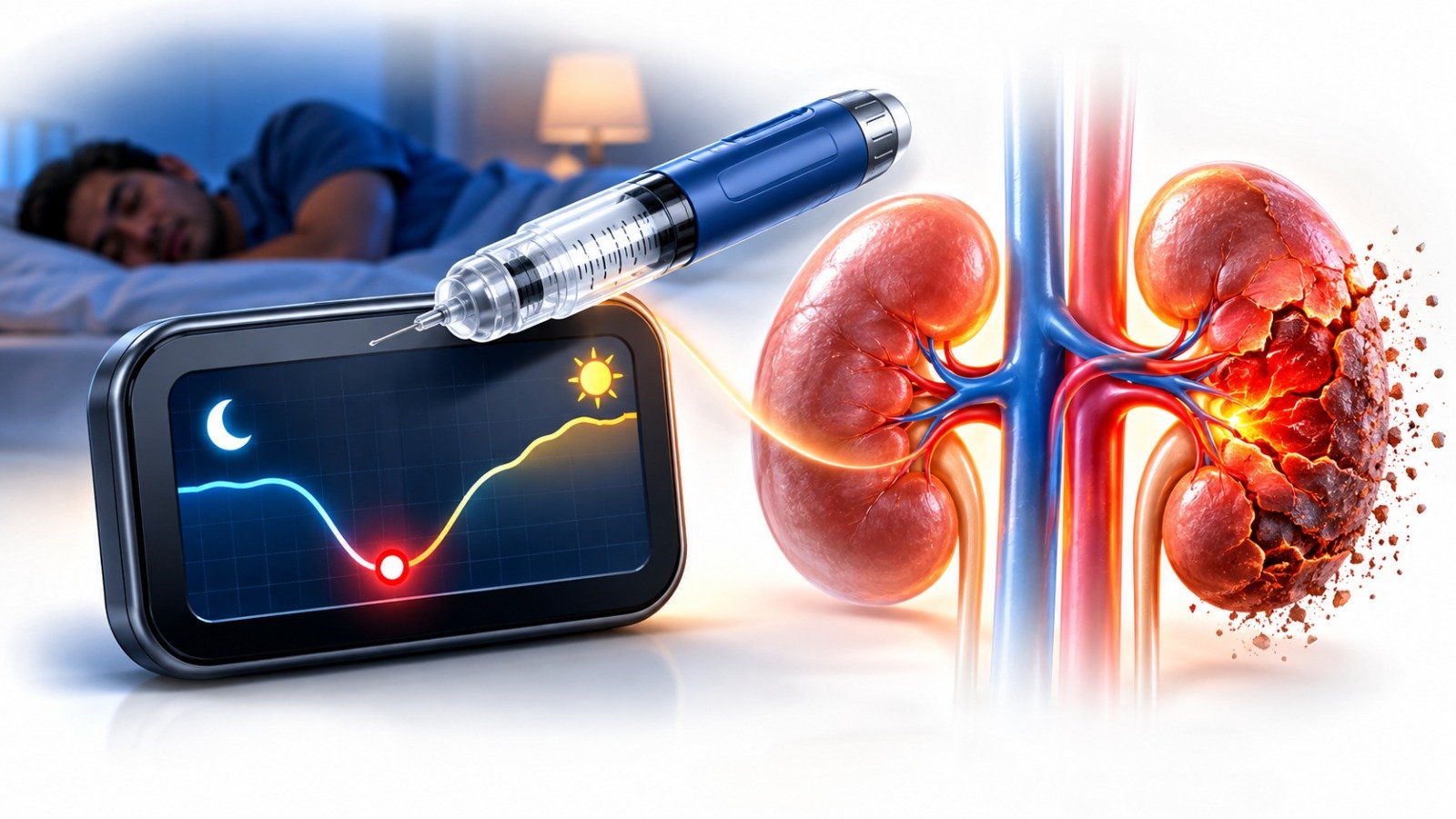
Your fasting sugar may look high in the morning—but that does not always mean you need more basal insulin. In some people, excessive basal insulin can cause overnight hypoglycemia, while the morning glucose remains high because of other factors such as the dawn phenomenon, persistent after-dinner hyperglycemia, or occasionally a rebound after nighttime hypoglycemia. This is known as over-basalization.
What Is Over-Basalization?
Basal insulin is designed to control glucose between meals and overnight. The goal is to provide enough insulin to maintain stable glucose without causing hypoglycemia.
Over-basalization occurs when basal insulin is increased beyond what is appropriate for the person's needs. Instead of simply improving fasting glucose, excessive basal insulin may increase the risk of overnight lows, especially when food intake, kidney function, physical activity, or other diabetes medicines change.
A basal insulin dose above approximately 0.5 units/kg/day can be a warning signal in some patients, but the number alone does not diagnose over-basalization. The entire glucose pattern and clinical situation must be considered.
Warning Signs to Look For
| Possible Signal | What It May Suggest |
|---|---|
| Basal insulin > 0.5 units/kg/day | May prompt a review of whether basal insulin is being used appropriately. |
| Nighttime hypoglycemia | May indicate that basal insulin is too strong for the overnight period. |
| Large glucose drop overnight | A significant fall from bedtime to early morning glucose deserves investigation. |
| Unexplained morning highs | Could be related to dawn phenomenon, dinner-related hyperglycemia, or overnight hypoglycemia. |
| High glucose variability | May suggest that the insulin regimen needs reassessment. |
These are warning signals, not diagnostic cut-offs. Insulin requirements vary considerably between individuals.
Why Can the Morning Sugar Still Be High?
A high fasting glucose does not automatically mean that basal insulin is insufficient. Several different mechanisms can produce the same morning reading.
- Dawn phenomenon: Hormones released in the early morning can increase glucose production by the liver.
- Persistent evening hyperglycemia: A high glucose level after dinner may simply continue into the morning.
- Overnight hypoglycemia: In some people, excessive insulin may cause a nighttime low followed by a rise in glucose. This is sometimes referred to as the Somogyi effect, although this phenomenon appears to be less common than previously believed.
This is why simply increasing basal insulin based on one fasting glucose reading may not always address the real problem.
Why Nighttime Hypoglycemia Matters
Low blood glucose during sleep may go unnoticed, particularly in people who have reduced awareness of hypoglycemia. Severe or recurrent hypoglycemia can activate the body's stress response, increasing adrenaline and other counter-regulatory hormones.
- Rapid heartbeat and sweating.
- Sleep disturbance and morning fatigue.
- Confusion or abnormal behavior if the low is severe.
- Seizures or loss of consciousness in severe cases.
- Increased cardiovascular stress, particularly in vulnerable individuals.
People with chronic kidney disease require particular caution because reduced kidney function can alter insulin clearance and increase the risk of prolonged hypoglycemia.
The Kidney Connection
Kidney disease does not mean that insulin is harmful to the kidneys. In fact, insulin is an important and commonly used treatment for diabetes. The concern is that declining kidney function can change how the body handles insulin and glucose.
As kidney function decreases, insulin clearance may fall. This can make insulin remain active for longer and increase the risk of hypoglycemia.
Therefore, people with diabetic kidney disease may need closer glucose monitoring and periodic adjustment of their insulin regimen. The appropriate dose depends on kidney function, glucose patterns, food intake, other medications, and individual treatment goals.
Before Increasing Your Basal Insulin
Instead of looking only at the fasting glucose, consider the entire overnight pattern.
- Check your bedtime glucose.
- Discuss whether an occasional early-morning glucose check is appropriate.
- Consider a short CGM trial if your doctor feels it would help identify overnight patterns.
- Review your dinner composition and timing.
- Review physical activity, alcohol intake, and other glucose-lowering medications.
- Consider whether your basal insulin dose is appropriate for your current body weight and kidney function.
Do not change your insulin dose on your own. Insulin adjustments should be individualized and discussed with your healthcare professional.
CGM Can Reveal What a Fingerstick Misses
A continuous glucose monitor can provide a picture of glucose levels throughout the night rather than showing only one fasting value in the morning.
| Pattern | Possible Explanation |
|---|---|
| Glucose falls overnight | Possible excessive basal insulin or other factors causing nocturnal hypoglycemia. |
| Glucose remains high all night | May suggest persistent evening hyperglycemia or inadequate overnight insulin coverage. |
| Glucose rises in early morning | May be consistent with the dawn phenomenon. |
| Large fluctuations | May indicate that the overall treatment strategy needs review. |
Be Extra Careful If You Have Kidney Disease
Insulin needs can change as kidney function declines. People with chronic kidney disease may therefore be more vulnerable to prolonged or unexpected hypoglycemia.
- Monitor glucose more closely when kidney function changes.
- Review insulin requirements regularly with your healthcare team.
- Be particularly cautious after changes in diet, illness, or physical activity.
- Review all glucose-lowering medicines for their hypoglycemia risk.
- Consider CGM when appropriate, especially if nighttime hypoglycemia is suspected.
There is no single insulin dose that is correct for everyone. Kidney function and the overall clinical picture matter more than a fixed dose threshold.
Never Ignore These Symptoms
Seek prompt medical attention if you experience symptoms suggesting significant hypoglycemia, especially at night:
- Confusion or unusual behavior.
- Severe sweating or shaking.
- Difficulty waking from sleep.
- Seizure.
- Loss of consciousness.
- Repeated nighttime glucose readings below your recommended target.
If severe hypoglycemia occurs, follow your prescribed hypoglycemia emergency plan and seek urgent medical help when required.
Quick Review: Is Your Basal Insulin Doing the Right Job?
| Ask | Why It Matters |
|---|---|
| What happens overnight? | The fasting glucose alone cannot show the entire overnight pattern. |
| Are there nighttime lows? | Repeated hypoglycemia may require treatment adjustment. |
| Is dinner causing the morning high? | The problem may be post-meal glucose rather than insufficient basal insulin. |
| Is kidney function changing? | Reduced kidney function can increase insulin exposure and hypoglycemia risk. |
| Would CGM help? | CGM can reveal overnight glucose patterns that occasional fingersticks may miss. |
Bottom Line
A high fasting glucose does not always mean you need more basal insulin. Over-basalization can increase the risk of overnight hypoglycemia, particularly when insulin requirements change because of kidney disease, reduced food intake, weight loss, or other factors. Before repeatedly increasing basal insulin, look at the complete glucose pattern—including what happens overnight. A carefully selected early-morning glucose check or a short CGM trial may reveal what the fasting number cannot. Never increase or reduce insulin on your own; work with your healthcare professional to identify the cause of the morning glucose elevation and choose the safest treatment.
Need Expert Endocrine Care?
Book a consultation with our specialist endocrinologists at Shashi Advanced Health Clinics, Bangalore.
Book Appointment on WhatsApp