Understanding Insulin Resistance Before It Becomes Diabetes
Understanding Insulin Resistance Before It Becomes Diabetes.
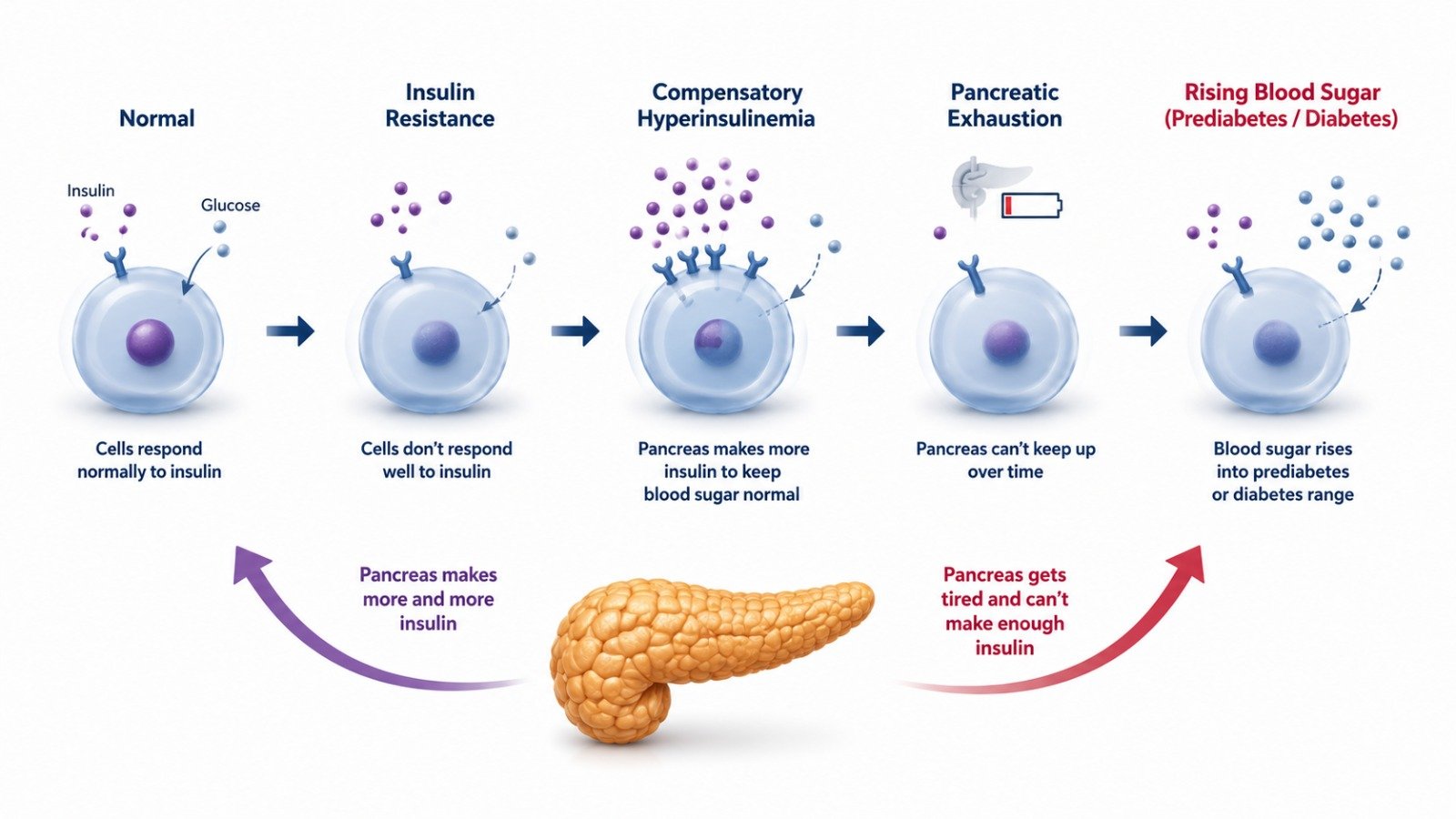
Insulin resistance is one of the earliest warning signs that your body is beginning to struggle with blood sugar control. During this stage, the body's cells become less responsive to insulin, forcing the pancreas to produce increasing amounts of the hormone to keep blood sugar levels normal. If left untreated, insulin resistance can progress to prediabetes and eventually type 2 diabetes. The encouraging news is that this process is often reversible when detected early.
What Is Insulin Resistance?
Insulin is a hormone produced by the pancreas that allows glucose (blood sugar) to move from the bloodstream into muscle, liver, and fat cells where it is used for energy or stored for later use.
When insulin resistance develops, these cells no longer respond effectively to insulin. As a result, glucose remains in the bloodstream for longer, prompting the pancreas to produce more insulin to compensate. This may keep blood sugar within the normal range for several years, but the constantly increased demand can gradually exhaust the pancreas.
Over time, blood sugar levels begin to rise, leading first to prediabetes and eventually type 2 diabetes.
Why Is Insulin Resistance Important?
Insulin resistance affects much more than blood sugar. It is a key feature of metabolic syndrome, a group of conditions that significantly increases the risk of heart disease and stroke.
It is commonly associated with:
- High blood pressure
- High triglyceride levels
- Low HDL ("good") cholesterol
- Fatty liver disease
- Excess abdominal fat
- Increased risk of heart attack and stroke
- Type 2 diabetes
Addressing insulin resistance early can reduce the risk of developing these long-term health problems.
Who Is at Risk?
Although anyone can develop insulin resistance, the risk is higher in people who have:
- Excess body weight, especially around the waist
- A family history of type 2 diabetes
- Age above 45 years
- A physically inactive lifestyle
- High blood pressure
- Abnormal cholesterol or triglyceride levels
- Polycystic Ovary Syndrome (PCOS)
- A history of gestational diabetes
- South Asian, African, or Hispanic ancestry
Importantly, insulin resistance can also occur in people with a normal body weight, particularly when there is a strong genetic predisposition or other metabolic risk factors.
Possible Signs and Symptoms
Many people experience no obvious symptoms during the early stages of insulin resistance. However, certain physical signs and routine blood tests may provide important clues.
- Waist circumference greater than 40 inches (men) or 35 inches (women)
- Dark, velvety skin patches (acanthosis nigricans), especially around the neck or underarms
- Multiple skin tags
- High blood pressure
- Elevated triglycerides or low HDL cholesterol
- Prediabetes-range fasting glucose or elevated HbA1c
Because insulin resistance is often silent, regular health check-ups are important for people with risk factors.
How Is It Diagnosed?
Doctors usually diagnose insulin resistance by evaluating your overall metabolic health rather than relying on a single test.
Common investigations include:
- Fasting blood glucose
- HbA1c (average blood sugar over 2–3 months)
- Oral Glucose Tolerance Test (OGTT)
- Lipid profile
- Blood pressure measurement
- Waist circumference assessment
- Fasting insulin levels (in selected situations)
These tests help identify insulin resistance before diabetes develops.
Can Insulin Resistance Be Reversed?
Yes. For many people, insulin resistance improves significantly with healthy lifestyle changes, especially when addressed early.
- Achieve and maintain a healthy body weight.
- Reduce abdominal fat.
- Eat more vegetables, lean protein, legumes, and whole grains.
- Limit sugary drinks and refined carbohydrates.
- Exercise regularly, including both walking and strength training.
- Sleep 7–9 hours each night.
- Manage stress effectively.
- Take medications if recommended by your healthcare provider.
Even modest weight loss can improve insulin sensitivity and significantly reduce the risk of developing type 2 diabetes.
Key Takeaways
- Insulin resistance is an early warning sign before prediabetes and type 2 diabetes.
- It often develops silently without noticeable symptoms.
- Abdominal obesity, inactivity, family history, and metabolic syndrome increase the risk.
- Routine blood tests can detect insulin resistance before diabetes develops.
- Healthy eating, regular exercise, weight management, and good sleep can often improve or reverse insulin resistance.
Bottom Line
Insulin resistance is the earliest stage in the journey toward type 2 diabetes, but it is also the stage where meaningful intervention can make the biggest difference. Because it frequently causes no obvious symptoms, understanding your personal risk factors and undergoing routine health screening are essential. With timely lifestyle changes—and medication when appropriate—many people can improve insulin sensitivity, delay or prevent diabetes, and protect their long-term heart and metabolic health.
Need Expert Endocrine Care?
Book a consultation with our specialist endocrinologists at Shashi Advanced Health Clinics, Bangalore.
Book Appointment on WhatsApp