
What Happens to Your Body After You Stop Eating Refined Sugar?
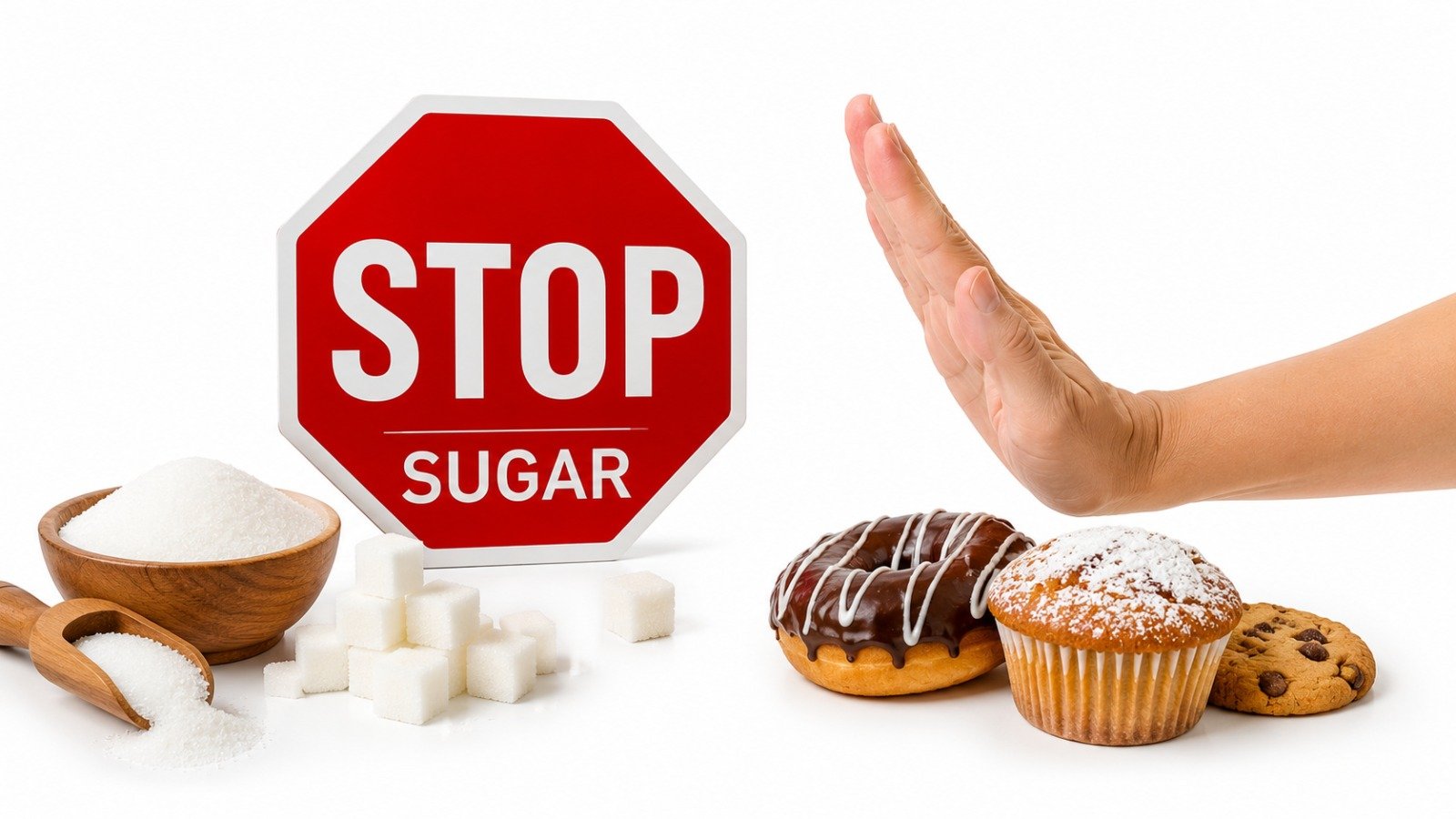
What Happens to Your Body After You Stop Eating Refined Sugar?
Stopping refined or added sugar can lead to noticeable changes in appetite, cravings, energy, and eating patterns. The changes are not identical for everyone and depend on how much added sugar you were consuming before. If you replace sugary drinks, sweets, desserts, and refined snacks with balanced meals containing protein, fiber, whole foods, and naturally occurring carbohydrates, the adjustment can become easier over time.
First 24 Hours: Your Body Begins to Adjust
The first day is mainly an adjustment period. If your diet previously contained frequent sugary drinks, sweets, desserts, or refined snacks, removing them can change your usual pattern of blood glucose fluctuations, appetite, and food cravings.
- Blood sugar may become steadier: Removing frequent sources of added sugar can reduce rapid glucose rises, particularly when sugary drinks and refined snacks are replaced with balanced foods.
- Insulin demand may decrease: Your body generally needs less insulin when it is no longer responding to frequent high-carbohydrate or sugary foods.
- You may feel tired: Some people experience a temporary feeling of low energy, especially if they previously relied heavily on sugary foods or drinks for quick energy.
- Cravings may begin: You may notice that you think about sweets more often because your usual eating and reward patterns have changed.
Some people notice very little on the first day, while others experience stronger cravings depending on their previous eating habits.
Days 2–7: The Hardest Part for Some People
For people who regularly consumed large amounts of added sugar, the first week can be the most challenging. Headaches, irritability, increased appetite, tiredness, or strong cravings may occur, although these symptoms are not experienced by everyone and are not considered a medically established withdrawal syndrome in the same way as withdrawal from addictive drugs.
| What You May Notice | Why It May Happen |
|---|---|
| Strong sugar cravings | Your brain and eating habits are adapting to the absence of familiar sweet foods. |
| Headache or irritability | Changes in caffeine intake, meal patterns, sleep, and overall diet can contribute. |
| Low energy | Your usual quick sources of carbohydrate may have been removed without adequate replacement. |
| Increased hunger | Removing sweet snacks without replacing them with protein, fiber, and adequate calories can leave you less satisfied. |
| Fewer energy spikes | Replacing sugary foods with balanced meals can reduce rapid rises and falls in blood glucose. |
For many people, cravings become easier to manage after the first several days, particularly when meals remain balanced and satisfying.
Around 7 Days: Cravings and Taste May Start Changing
After about a week of reducing added sugar, some people notice that highly sweet foods no longer seem as appealing as before. Your taste preferences can gradually adapt when you consume fewer intensely sweet foods.
- Cravings may become less intense.
- Fruit may taste naturally sweeter.
- Energy may feel more consistent when sugary snacks are replaced with balanced meals.
- Afternoon energy crashes may become less frequent for some people.
- Sleep may improve if reducing sugar also means eating fewer highly processed foods or avoiding large amounts of sugar late at night.
The goal is not to eliminate all carbohydrates. Whole grains, vegetables, legumes, dairy, and whole fruit can remain part of a healthy diet.
Around 30 Days: A New Eating Pattern Can Develop
By about one month, the biggest change may be behavioral rather than a dramatic biological "reset." If added sugar has been consistently reduced and replaced with nutritious foods, many people find that cravings are easier to control and their overall eating pattern becomes more predictable.
1. Cravings and Appetite
One of the most noticeable changes can be a reduction in the intensity and frequency of cravings for very sweet foods.
As highly sweetened foods become less frequent, smaller amounts of sweetness may become more satisfying. This can make it easier to choose fruit or other naturally sweet foods instead of reaching for desserts or sugary drinks.
2. Blood Sugar and Insulin
Reducing added sugar—especially from sugary beverages and refined snacks—can reduce the frequency of rapid blood glucose rises. When this is combined with higher-fiber foods, adequate protein, and regular meals, overall blood glucose control may improve.
For people with prediabetes or insulin resistance, reducing excess added sugar can be an important part of a broader lifestyle strategy. However, it does not replace medical treatment when treatment is required.
3. Weight and Body Composition
Cutting added sugar does not automatically cause weight loss. However, sugary drinks, sweets, desserts, and highly processed snacks can contribute substantial calories without providing much satiety.
If removing these foods reduces your overall calorie intake while you continue to eat balanced meals, gradual weight loss may occur. The amount varies significantly from person to person and depends on starting weight, diet, activity level, and what replaces the removed foods.
Some early changes on the scale may also reflect changes in water balance and food volume rather than body fat alone.
4. Energy, Mood, and Sleep
As eating patterns become more consistent, some people report fewer energy highs and lows during the day. This may be particularly noticeable when sugary drinks and refined snacks are replaced with meals containing protein, fiber, and minimally processed carbohydrates.
Sleep may also improve when overall diet quality improves and large amounts of sugary or highly processed foods are reduced. However, sleep quality is influenced by many factors, including stress, caffeine, physical activity, medications, and sleep disorders.
5. What About Skin and Inflammation?
Some people notice clearer skin or less bloating after reducing added sugar and highly processed foods. Diet can influence metabolic health and inflammatory pathways, and high-glycemic dietary patterns have been associated with acne in some studies.
However, there is no guarantee that stopping sugar will "detox" the skin or eliminate inflammation. Skin health depends on genetics, hormones, skincare, sleep, stress, and many other factors.
Refined Sugar Is Not the Same as All Carbohydrates
One of the most important points is that reducing added sugar does not mean eliminating carbohydrates.
| Better Choices to Include | Foods to Limit |
|---|---|
|
✔ Whole fruit ✔ Vegetables ✔ Pulses and legumes ✔ Whole grains ✔ Unsweetened dairy ✔ Nuts and seeds |
✘ Sugary soft drinks ✘ Sweetened beverages ✘ Candy and sweets ✘ Cakes and pastries ✘ Added-sugar desserts ✘ Highly processed sugary snacks |
A Simple 30-Day Timeline
| Time | What You May Notice |
|---|---|
| First 24 Hours | Cravings may begin, and blood glucose patterns may become less influenced by frequent sugary foods. |
| Days 2–7 | Cravings, irritability, headaches, hunger, or low energy may occur in some people and usually become easier to manage. |
| Around 7 Days | Taste preferences may begin adapting and some people notice more consistent energy. |
| Around 30 Days | Cravings may be easier to control, diet quality may improve, and weight or blood glucose may improve depending on the overall dietary pattern. |
How to Make the Transition Easier
- Do not skip meals. Regular balanced meals can reduce intense hunger and cravings.
- Include protein. Eggs, fish, chicken, paneer, curd, pulses, and other protein sources can improve satiety.
- Increase fiber. Vegetables, legumes, whole grains, nuts, and seeds can help keep meals satisfying.
- Replace sugary drinks first. Water, sparkling water, or unsweetened beverages are simple alternatives.
- Keep fruit in your diet. Whole fruit contains fiber, water, vitamins, and minerals and does not need to be eliminated simply because you are reducing added sugar.
- Read food labels. Added sugar can appear in sauces, cereals, packaged snacks, flavored yogurt, and beverages.
Important: Who Should Be Careful?
Large changes in carbohydrate or food intake may require medical guidance in certain situations.
- People with diabetes taking insulin.
- People taking medicines that can cause hypoglycemia.
- People with a history of eating disorders.
- People who are pregnant or breastfeeding and considering major dietary restrictions.
- Anyone experiencing recurrent dizziness, fainting, or symptoms of low blood sugar.
If you have diabetes and significantly change your diet, speak with your healthcare provider because medication doses may sometimes need adjustment.
Quick 30-Day Checklist
| Do | Avoid |
|---|---|
|
✔ Drink water instead of sugary drinks ✔ Eat protein with meals ✔ Include vegetables and fiber ✔ Choose whole fruit ✔ Read food labels ✔ Stay physically active |
✘ Sugary beverages ✘ Frequent sweets and desserts ✘ Highly processed snacks ✘ Skipping meals to compensate ✘ Extreme zero-carb diets ✘ Assuming every symptom is "sugar withdrawal" |
Bottom Line
Reducing refined or added sugar can produce noticeable changes in cravings, appetite, energy, and eating patterns, particularly if you previously consumed large amounts of sugary drinks, sweets, and processed snacks. The first few days may be challenging, but cravings often become easier to manage as your eating habits change. Over several weeks, reducing added sugar while continuing to eat balanced meals can support better diet quality, weight management, and metabolic health. The goal is not to eliminate all carbohydrates or fruit—it is to reduce excess added sugar and build a sustainable eating pattern that supports your long-term health.
Need Expert Endocrine Care?
Book a consultation with our specialist endocrinologists at Shashi Advanced Health Clinics, Bangalore.
Book Appointment on WhatsApp