
Why Low Testosterone and Diabetes Often Arrive Together
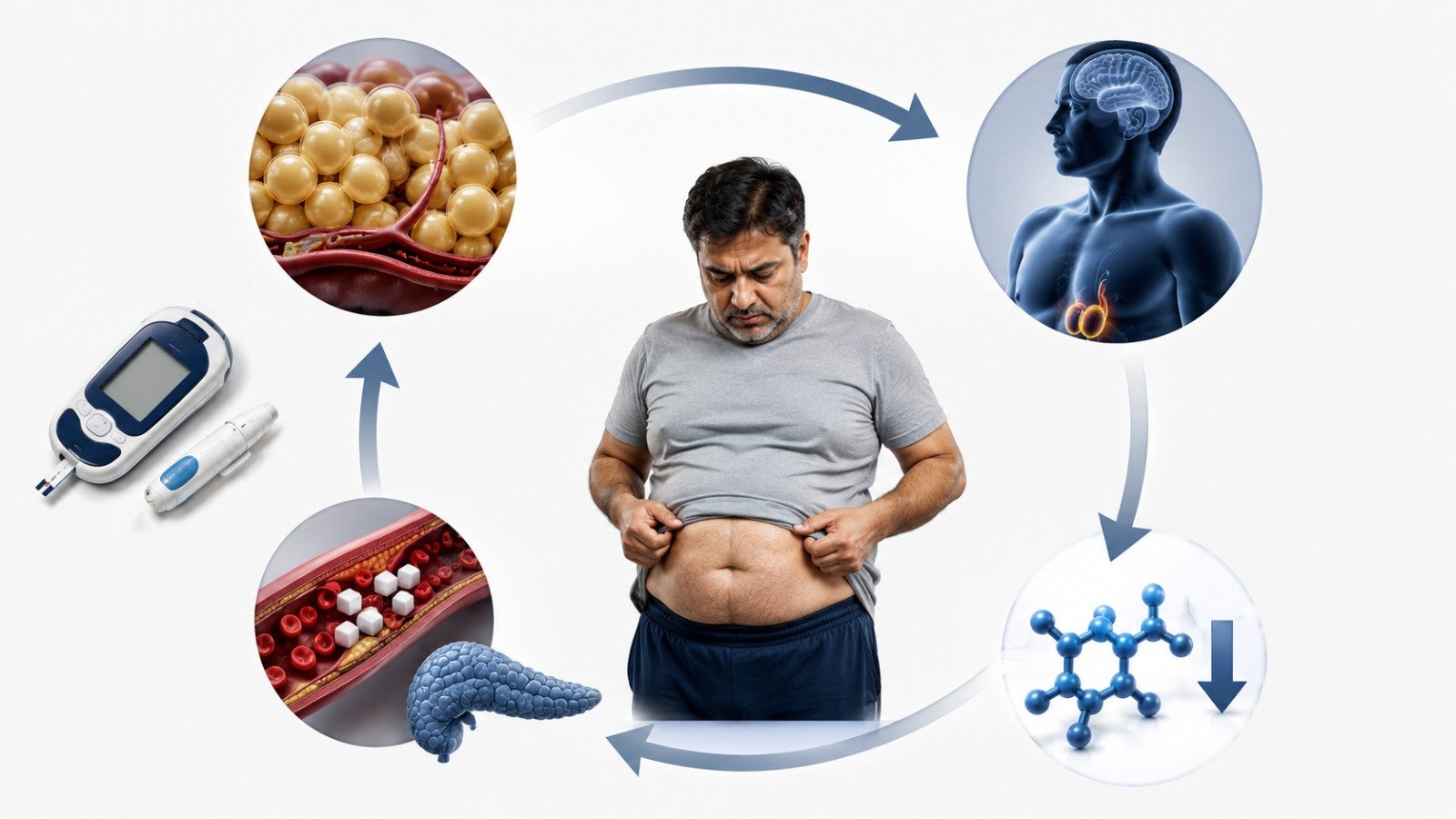
Low Testosterone and Type 2 Diabetes: Understanding the Connection
Low testosterone and type 2 diabetes frequently occur together because they share common metabolic problems, including insulin resistance, excess abdominal fat, chronic inflammation, and loss of muscle mass. In many men, one condition can worsen the other, creating a cycle that affects energy levels, sexual health, body composition, and long-term metabolic health.
How Are Low Testosterone and Diabetes Connected?
Research has shown that men with type 2 diabetes are more likely to have low testosterone levels. Likewise, men with testosterone deficiency have a higher risk of developing type 2 diabetes, especially when obesity and insulin resistance are present.
Rather than being separate conditions, they often develop from the same underlying metabolic dysfunction and may reinforce each other over time.
Why Do They Occur Together?
| Metabolic Factor | How It Affects Health |
|---|---|
| Insulin Resistance | Reduces the body's response to insulin and is closely linked with lower testosterone levels. |
| Visceral (Belly) Fat | Increases inflammation, lowers testosterone production, and worsens insulin resistance. |
| Reduced Muscle Mass | Less muscle reduces glucose uptake, making blood sugar control more difficult. |
| Chronic Inflammation | Interferes with hormone production and insulin signaling, contributing to both conditions. |
Common Symptoms That May Suggest Both Conditions
Men with diabetes should consider discussing testosterone testing with their doctor if they experience:
- Persistent fatigue or low energy
- Reduced sex drive (low libido)
- Erectile dysfunction
- Loss of muscle strength
- Increasing abdominal fat
- Difficulty losing weight
- Low mood or reduced motivation
Similarly, men diagnosed with low testosterone should be assessed for diabetes or insulin resistance, particularly if they are overweight or have features of metabolic syndrome.
Can Testosterone Treatment Cure Diabetes?
Testosterone replacement therapy (TRT) is not a treatment for diabetes. While some studies suggest TRT may improve body composition, increase muscle mass, reduce abdominal fat, and improve insulin sensitivity in men with confirmed testosterone deficiency, improvements in blood sugar control are not consistent across all studies.
Treatment decisions should always be individualized. Testosterone therapy should only be considered after confirming low testosterone with appropriate testing and after discussing the potential benefits and risks with a healthcare professional.
How to Improve Both Testosterone and Metabolic Health
- Maintain a healthy body weight.
- Reduce excess abdominal (visceral) fat.
- Exercise regularly, including strength training.
- Eat a balanced, high-protein, high-fiber diet.
- Sleep 7–9 hours every night.
- Control blood sugar, blood pressure, and cholesterol.
- Avoid smoking and limit alcohol intake.
- Seek medical advice if symptoms of low testosterone develop.
Key Takeaways
- Low testosterone and type 2 diabetes frequently occur together.
- Insulin resistance and abdominal obesity are major links between the two conditions.
- Low testosterone may contribute to muscle loss, increased body fat, and worsening blood sugar control.
- Men with diabetes and symptoms such as fatigue, low libido, or erectile dysfunction should discuss testosterone testing with their doctor.
- Lifestyle changes remain the foundation for improving both hormone balance and metabolic health.
Bottom Line
Low testosterone and type 2 diabetes often develop together because they share the same underlying metabolic dysfunction, particularly insulin resistance, excess visceral fat, and chronic inflammation. Identifying one condition should prompt evaluation for the other, especially in men with obesity, fatigue, low libido, or erectile dysfunction. Early diagnosis, healthy lifestyle changes, and appropriate medical care can improve energy levels, sexual health, muscle strength, blood sugar control, and overall long-term health.
Need Expert Endocrine Care?
Book a consultation with our specialist endocrinologists at Shashi Advanced Health Clinics, Bangalore.
Book Appointment on WhatsApp