
Metabolic Syndrome: The Silent Risk Factor
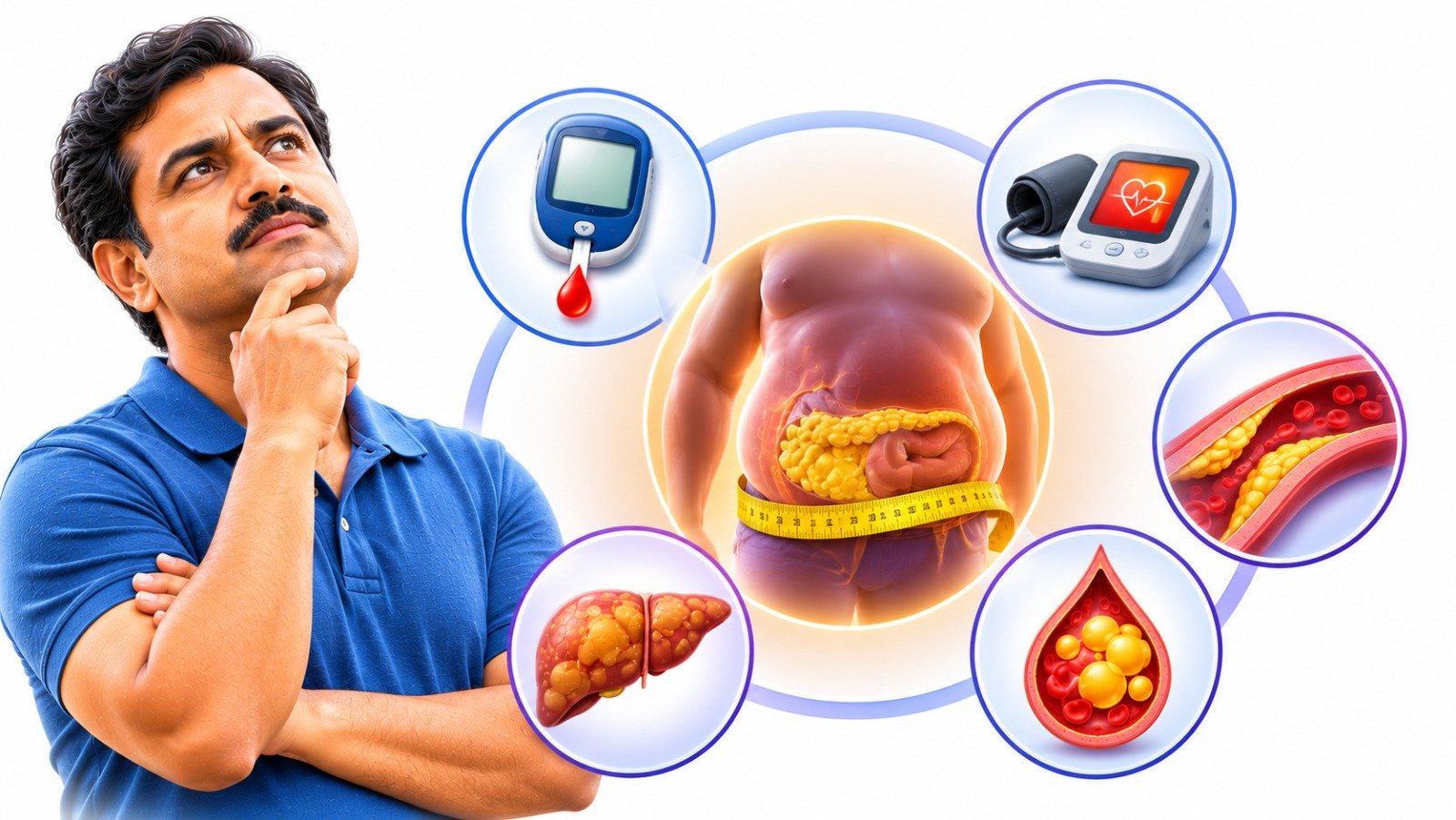
Why Five Borderline Lab Numbers Together Carry Serious Risk
Many busy adults get an annual health check-up showing a slightly expanding waistline, borderline fasting sugar, mildly elevated blood pressure, and high triglycerides—yet feel completely fine. Individually, each number looks easy to ignore. Together, they define metabolic syndrome, a silent cluster of abnormalities driven by insulin resistance that significantly raises your risk of Type 2 diabetes, heart attack, stroke, and fatty liver disease.
What Is Metabolic Syndrome?
Metabolic syndrome is not a single disease—it is a combination of five metabolic risk factors that occur together because of a shared root problem: insulin resistance and excess visceral (deep abdominal) fat.
You are diagnosed with metabolic syndrome if you meet any three or more of the five clinical criteria—including if you are already taking medication for blood pressure, cholesterol, or blood sugar.
The 5 Criteria (With South Asian / Indian Waist Cut-Offs)
Because South Asian adults develop insulin resistance and visceral fat at lower body weights than Western populations, Indian and international endocrine guidelines use stricter waist circumference thresholds for Indians:
| Risk Factor | Threshold for Indians / South Asians |
|---|---|
| 1. Abdominal Waist Circumference | Men: ≥ 90 cm (approx. 35.5 in) | Women: ≥ 80 cm (approx. 31.5 in) |
| 2. High Triglycerides | ≥ 150 mg/dL (or on triglyceride-lowering medication) |
| 3. Low HDL (“Good”) Cholesterol | Men: < 40 mg/dL | Women: < 50 mg/dL |
| 4. Elevated Blood Pressure | ≥ 130/85 mmHg (or on blood pressure treatment) |
| 5. Elevated Fasting Blood Sugar | ≥ 100 mg/dL (or diagnosed prediabetes / Type 2 diabetes) |
“Thin-Fat” Indian Paradox: You do not need a high BMI on the weighing scale to have metabolic syndrome. Carrying excess fat around the waistline with low muscle mass—common in sedentary desk workers—drives the exact same metabolic risk.
Why It Matters: Long-Term Health Risks
Left unaddressed, metabolic syndrome silently stresses arteries, the liver, and pancreatic beta cells over years:
- 5-fold higher risk of Type 2 diabetes: Persistent insulin resistance gradually exhausts insulin production.
- Double the risk of heart attack and stroke: Elevated BP, high triglycerides, and low HDL accelerate plaque buildup in coronary and brain arteries.
- Fatty liver disease (MASLD): Excess triglycerides accumulate inside liver cells, visible on routine ultrasound before liver enzymes even rise.
- PCOS, sleep apnea, and gout: High insulin levels also disrupt ovulation, worsen snoring/sleep quality, and raise uric acid.
Can Metabolic Syndrome Be Reversed?
Yes—especially when caught early before permanent diabetes or heart disease sets in. Even a 5–10% reduction in body weight preferentially shrinks visceral liver and belly fat, improving all five criteria simultaneously.
1. Rebalance the Indian Plate
Typical high-carb Indian meals (large portions of polished white rice, multiple chapatis with minimal dal or vegetables, sweetened chai, and fried evening snacks) push insulin and triglycerides up. Shift toward higher protein (dal, paneer, curd, eggs, fish, soy), generous non-starchy vegetables, and measured whole grains.
2. Combine Brisk Movement With Strength Training
Muscle is the largest consumer of glucose in your body. Aim for at least 150 minutes of brisk walking or aerobic activity weekly plus 2–3 days of resistance training, and break up long desk hours with short 5–10 minute post-meal walks.
3. Prioritize Sleep and Stress Management
Sleeping under 6 hours or dealing with untreated obstructive sleep apnea elevates evening cortisol and worsens blood pressure and insulin resistance.
4. Partner With Medical Care When Needed
Lifestyle is always the foundation, yet when blood pressure, LDL/non-HDL cholesterol, triglycerides, or blood sugar stay elevated despite consistent effort, targeted medications or structured medical weight and metabolic management provide vital organ protection.
Quick Action Checklist
| Do | Avoid |
|---|---|
|
✔ Measure your waist circumference—not just scale weight ✔ Check fasting glucose, HbA1c, lipid profile, and BP annually ✔ Build every meal around protein + fiber first ✔ Add muscle-strengthening exercises twice a week |
✘ Ignoring “borderline” sugar of 105 mg/dL or BP of 134/86 ✘ Liquid calories (juices, sugary tea/coffee, soft drinks) ✘ Late-night heavy dinners followed immediately by sleep ✘ Crash diets that lose muscle instead of abdominal fat |
Bottom Line
Metabolic syndrome is an early warning signal—not a life sentence. Addressing abdominal fat, triglycerides, blood pressure, and borderline blood sugar together gives you tremendous leverage to prevent diabetes and heart disease years before symptoms ever begin. Explore our guide on hormones and weight or consult our metabolic and endocrinology team for a tailored prevention plan.
Need Expert Endocrine Care?
Book a consultation with our specialist endocrinologists at Shashi Advanced Health Clinics, Bangalore.
Book Appointment on WhatsApp