Diabetes Remission: Who Can Achieve It and How
The Honest Science Behind Reversing Type 2 Diabetes—Without False Promises
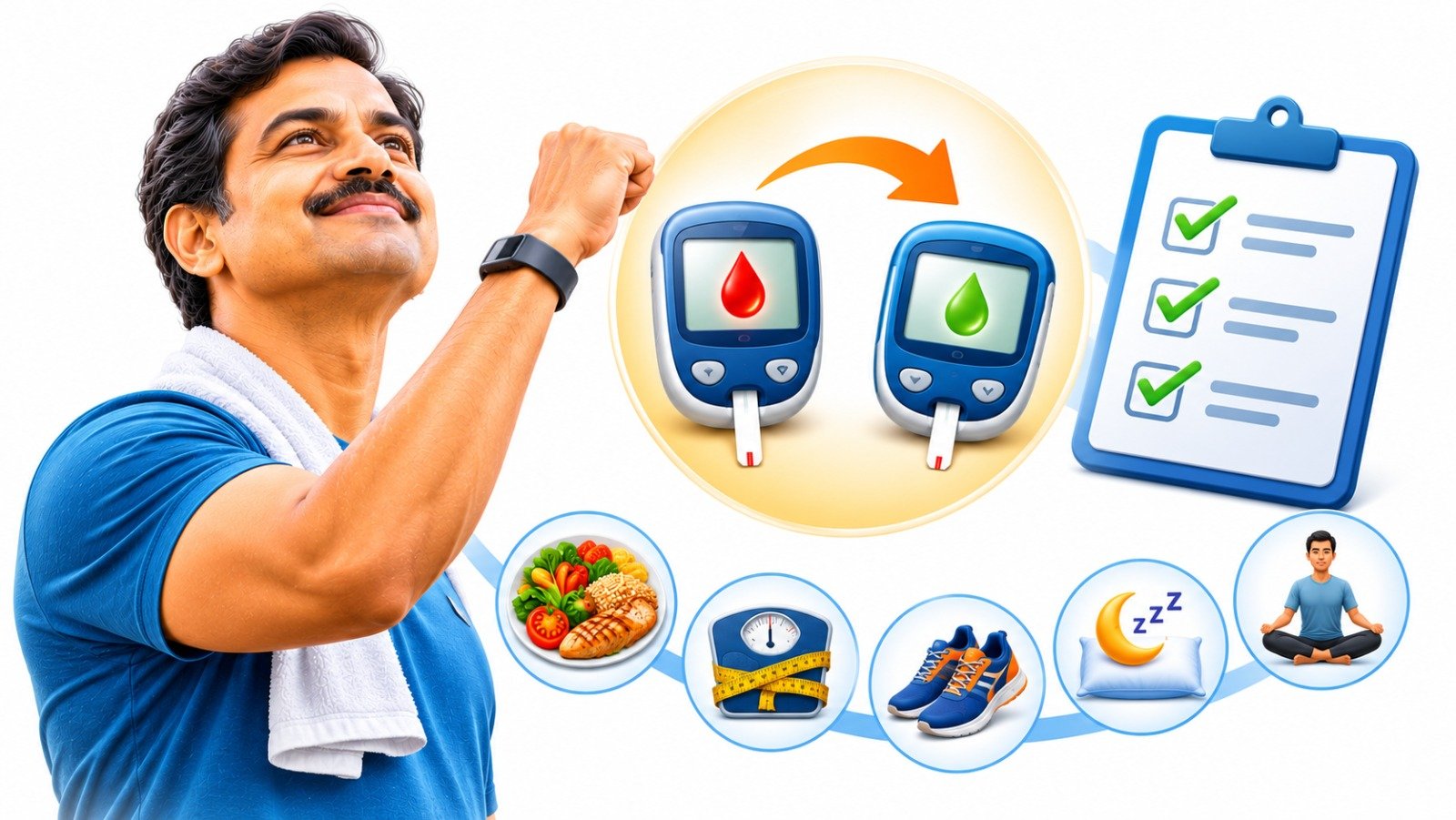
Nearly every newly diagnosed Type 2 diabetes patient asks: “Can my diabetes go away completely?” Social media is flooded with dramatic “cure” claims—but real medical science offers a much clearer, more empowering answer. For a meaningful group of people with Type 2 diabetes, diabetes remission is genuinely achievable through targeted fat loss, nutrition, physical activity, and structured medical guidance.
Remission vs. “Cure”: Why the Word Matters
International diabetes organizations intentionally use the word remission rather than “cure.” By clinical consensus, Type 2 diabetes remission is defined as maintaining an HbA1c below 6.5% for at least 3 months without taking any glucose-lowering medications.
Why not call it a permanent cure? Because your underlying genetic predisposition to insulin resistance remains. If old eating habits return or significant weight is regained, blood glucose can rise again—which is why annual check-ups (HbA1c, eyes, kidneys, lipids) remain essential even in remission.
How Remission Actually Works in the Body
Landmark clinical trials (such as the DiRECT study) showed that Type 2 diabetes in many adults is driven by excess fat accumulating inside the liver and pancreas—even in people who do not look severely obese by Western standards.
Excess liver fat worsens insulin resistance, causing fasting glucose to rise. Excess pancreatic fat stuns insulin-producing beta cells into hibernation. When sustained weight loss clears fat from both organs, liver insulin sensitivity improves rapidly and sleeping beta cells often resume normal insulin secretion.
Who Has the Best Chance of Achieving Remission?
| Higher Likelihood of Remission | Lower Likelihood / Not Applicable |
|---|---|
|
✔ Type 2 diabetes diagnosed within the last 5–6 years ✔ Preserved pancreatic insulin reserve (not yet exhausted) ✔ Excess abdominal/visceral weight that can be reduced by 10–15% (or individualized target in lean Indians) ✔ Early stage managed on lifestyle or 1–2 oral tablets ✔ High motivation for long-term sustainable habits |
✘ Type 1 diabetes or LADA (autoimmune insulin deficiency requires lifelong insulin) ✘ Long-standing Type 2 diabetes (>10–15 years) with very low C-peptide reserve ✘ Severe pancreatic disease or prior pancreatic surgery ✘ Patients expecting a 10-day herbal tea or shortcut to erase diabetes |
Even if full medication-free remission is not realistic—for example in long-standing diabetes—improving weight, nutrition, and fitness still slashes medication burden and protects your heart, eyes, and kidneys. Compare this with our early-window guide on prediabetes and controlling Type 2 diabetes with diet.
Evidence-Based Pathways to Diabetes Remission
1. Structured Calorie Deficit & Fat Loss
Consistent weight reduction—often 10–15 kg in individuals with higher baseline weight, or targeted waist/liver-fat reduction in Indian adults with lower BMI—remains the strongest driver of remission. Supervised low-calorie meal plans followed by structured food reintroduction work best when tailored to your baseline medications.
2. Smart Indian Meal Architecture
Instead of extreme starvation or zero-carb fads, build sustainable meals: generous non-starchy vegetables, steady protein (dal, paneer, curd, eggs, fish, soy) to protect muscle mass during fat loss, controlled portions of whole grains/millets, and zero sugary beverages or refined snacks.
3. Strength Training + Daily Movement
Resistance training preserves lean muscle—keeping your metabolic rate healthy—while daily walking improves insulin sensitivity immediately after meals.
4. Metabolic / Bariatric Surgery (For Eligible Patients)
For people living with severe obesity and Type 2 diabetes who have not responded adequately to medical therapy, metabolic surgery evaluation achieves high rates of sustained remission alongside hormonal appetite improvements.
Crucial Safety Rule Before Reducing Medications
As visceral fat drops and insulin sensitivity rebounds, blood sugar levels fall—sometimes rapidly. Attempting a steep calorie cut while continuing full doses of insulin or sulfonylureas can trigger dangerous hypoglycemia.
Conversely, abruptly throwing away metformin or other prescribed medicines before blood sugars genuinely normalize leaves glucose elevated and damages organs silently. Under structured endocrinology supervision, medications are stepped down safely as readings prove it is warranted.
Frequently Asked Questions About Remission
How much weight do I need to lose for diabetes remission?
In international trials, losing 10–15% of body weight produced the highest remission rates. In Indian adults who develop Type 2 diabetes at lower body weights, targeted reduction of abdominal waist fat and liver fat—often alongside building lean muscle—remains key.
Can intermittent fasting or low-carb diets put diabetes into remission?
Both can work if they safely create a sustainable calorie deficit without triggering hypoglycemia or nutritional gaps. However, the best eating pattern is one you can maintain comfortably for years, not weeks.
Once in remission, do I still need annual diabetes checks?
Yes. Even with an HbA1c below 6.5% off tablets, regular HbA1c, blood pressure, lipid, eye, and kidney checks ensure blood sugars stay healthy and catch any early relapse right away.
Bottom Line
Type 2 diabetes remission is real, science-backed, and most achievable in the first several years after diagnosis through meaningful, sustainable visceral fat loss, muscle preservation, and balanced nutrition. Even when full medication-free remission is not reached, every step toward healthier weight and insulin sensitivity delivers lifelong protection. Speak with Dr. Basavaraj GS and our endocrinology team to see whether a personalized diabetes remission plan is right for you.
Need Expert Endocrine Care?
Book a consultation with our specialist endocrinologists at Shashi Advanced Health Clinics, Bangalore.
Book Appointment on WhatsApp